

A corporate identity system (CIS) is a complete system for leaving one consistent impression of a company in the minds of its customers. It is built from three layers: mind identity (MI), behaviour identity (BI) and visual identity (VI). Since 2014, Hand-Heart Design Firm has carried out identity design for nearly a hundred companies. Our partners include national and public-sector institutions such as the National Central Library, the National Institute of Cyber Security and Tainan Public Library, as well as listed and large companies such as China Airlines, Radiant Opto-Electronics, AcBel Polytech, KYMCO, Sinya Digital and Chen Nan Iron Wire. Our brand strategy research process is protected by Republic of China (Taiwan) invention patent No. 934355, AI-Assisted Brand Strategy Insight System.
When an identity project stalls, the cause is rarely the design. So before drawing the first sketch, Hand-Heart makes sure the following four things are clear.
- Governance
- Who signs off, how many layers of approval there are, and who decides the budget and schedule. If this is unclear, the designer can reach the eighth revision and still be wrong, because every version is a guess at whose voice carries most weight.
- Alignment
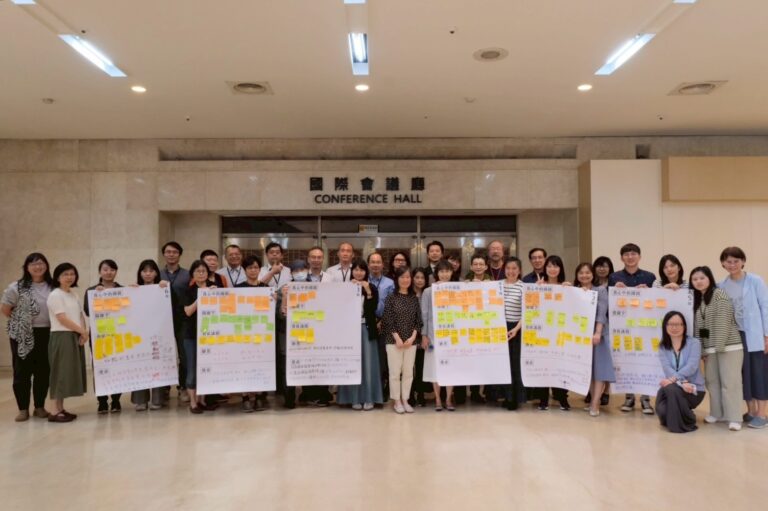
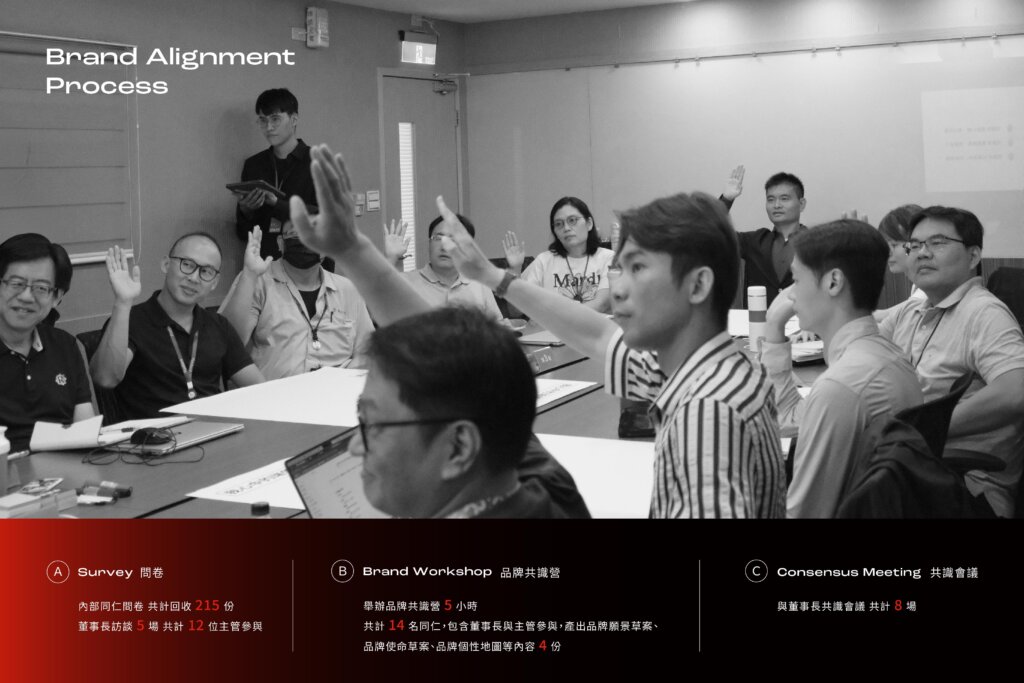
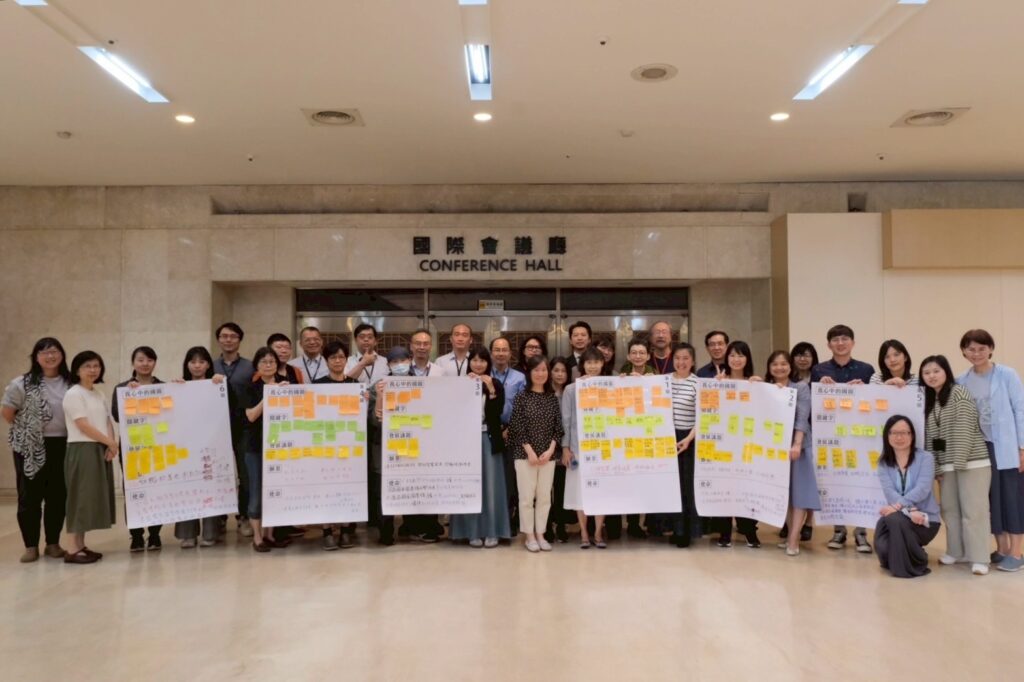
- The owner wants it to feel solid, sales wants it memorable, the next generation wants it young, PR wants it international. Four people are describing four different things. On the Radiant Opto-Electronics project we completed 215 internal questionnaires, 5 interviews with the chairman, a brand consensus workshop with 14 colleagues and 8 consensus meetings before we started.
- Guidelines
- VI is put to the test on official letters, envelopes, ID cards, presentation templates and the covers of tender documents. None of these are made by designers; they are made by administrative staff, printers and outside suppliers. Guidelines have to state the minimum size, the single-colour version, how the reversed-out version is handled and which uses are wrong. On the National Central Library project we produced training videos for the staff applying the identity, in addition to the guidelines manual.
- Rollout
- Finishing the design is not the end of the project; it is the start of the rollout. The rollout stage covers internal communication, training for the staff applying the identity, ongoing management arrangements and rules for licensing the identity to outside parties. Hand-Heart also offers its own “brand identity maintenance consulting agreement”. The first year after an identity goes live is when it is most likely to drift, so for that year Hand-Heart works alongside you: checking item by item whether what is actually produced follows the guidelines, deciding with you how to handle exceptions the guidelines do not cover, and revising the guidelines whenever something needs to be added or removed. The aim is simple: to keep the gap between the identity as planned and the identity your customers finally see as small as possible.
If you are preparing a tender, the acceptance criteria Hand-Heart uses internally are already published as a table: CI/CIS procurement and acceptance guide: six stages, eighteen checkpoints. No sign-up is needed, and you can print it straight away.
Whether a CIS survives is not decided on presentation day
Most CIS projects do not fail because the logo looks bad. They fail six months after delivery: the business cards are still right, but every presentation starts to look different; the signage is outsourced and the colour drifts; the person in charge moves on, and all that is left is a guidelines manual nobody has ever opened.
The money is spent, and the identity falls apart. We have seen this happen too often, so on every CIS project Hand-Heart checks three things before starting work.
1. Are the decision-makers sitting at the same table?
When an identity project stalls, the cause is rarely the design; it is a lack of internal agreement. The owner wants it to feel solid, sales wants it memorable, the next generation wants it young, PR wants it international. Four people are describing four different things, and the designer is still getting it wrong at the eighth revision.
On the Radiant Opto-Electronics project we completed all of this before drawing the first sketch: 215 internal questionnaires returned, 5 interviews with the chairman, a brand consensus workshop with 14 colleagues taking part, and 8 consensus meetings.
This is not decoration on a process chart. Without this stage, every later proposal is just a guess at whose voice carries most weight.
2. Can people who are not designers follow the guidelines?
VI is not put to the test in the pitch deck but in the most ordinary places: official letters, envelopes, ID cards, presentation templates and the covers of tender documents. These are not made by designers. They are made by administrative staff, printers and outside suppliers.
So the guidelines have to answer practical questions, such as the minimum size, what the single-colour version looks like, how the reversed-out version is handled and which uses are wrong, rather than explain the design concept.
On the National Central Library project we produced training videos for the staff applying the identity, in addition to the guidelines manual. The reason is simple: a manual cannot support everyone who has to work with it, but a video lets the people actually doing the work follow along. Whether an identity survives depends on whether the person in charge can actually apply it.
3. Is anyone responsible after the rollout?
A finished design does not put itself into practice. The day the contract ends is the day the identity starts to be diluted.
If nobody in your company has been made responsible for this, we will tell you plainly: the identity will drift once the project is finished; it is only a matter of time. Saying so does us no favours, but we would rather say it before we start.
So a CIS is not an art project
It is a management system for how a company appears to the outside world. The logo is the part of it that is most easily seen, and most easily misunderstood.
If you are preparing a tender, we have published the acceptance criteria Hand-Heart uses internally as a publicly available table: CI/CIS procurement and acceptance guide: six stages, eighteen checkpoints. Six stages and eighteen items you can check against the contract and the deliverables, so the person in charge can judge whether a stage has been passed without any design knowledge.
Anyone may use the table, whether or not they work with Hand-Heart. Publishing our acceptance criteria also holds us to them. We are happy to do that, because when the commissioning side understands the criteria, neither side discovers a gap in expectations late in the project.
What is a corporate identity system (CIS)?
A corporate identity system (CIS) is a set of rules that translates who a company is into something people can recognise and put into practice. A CIS covers three layers: mind (what the company believes), behaviour (how employees work) and visual (how it looks from the outside). The logo is only one item in the visual layer. When the three agree, customers see the same brand at every point of contact.
Many companies think a CIS simply means designing a logo. In practice the logo is only one item within visual identity. If the mind and behaviour layers are not defined first, the visual layer has nothing to rest on, which is the main reason a new logo can feel like no change at all.
If your positioning statement still works with another company in it, it has failed.— Hand-Heart’s first self-check on every brand project
What are MI, BI and VI in a CIS?
Brand beliefs, operating principles, brand personality and the brand slogan. It answers what this company believes.
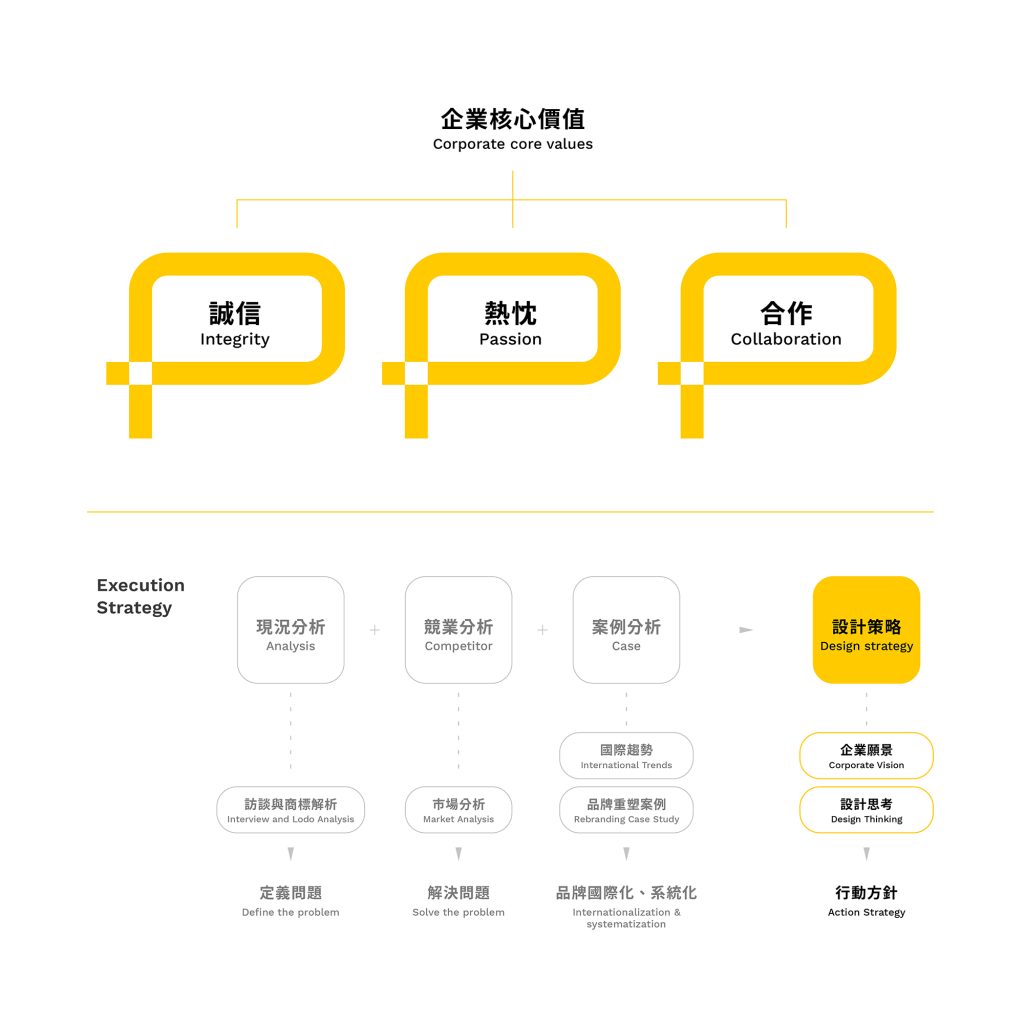
Codes of conduct, business strategy, company rules and service attitude. It answers how employees actually work.
Logo, logotype, colour scheme, supporting graphics and the various application systems. It answers what the company looks like from the outside.
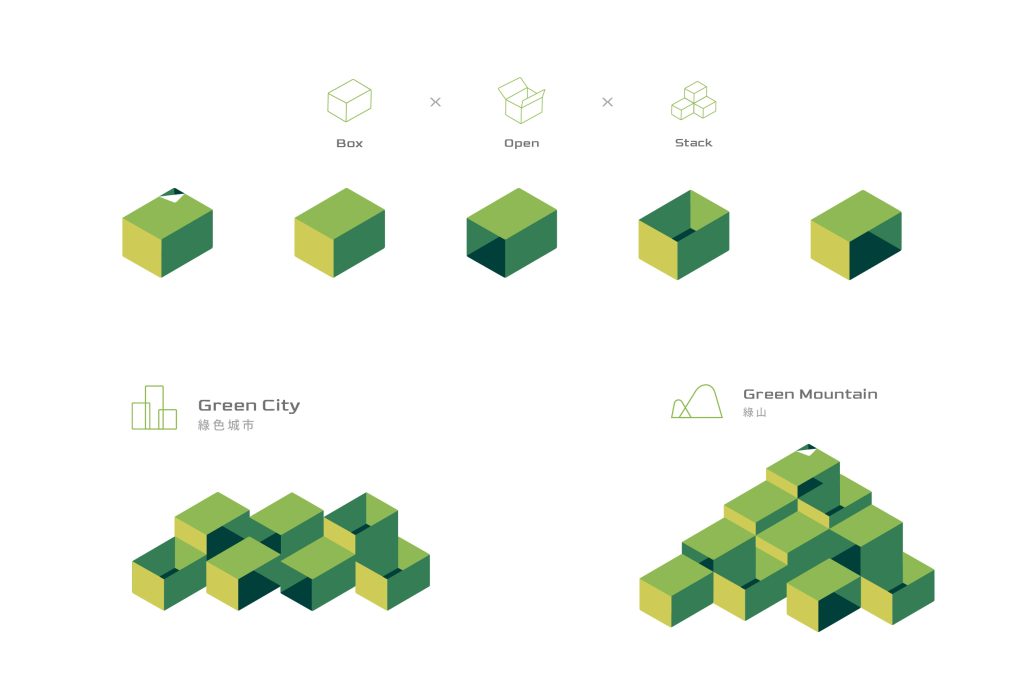
The three layers work from the inside out: MI determines BI, and BI determines VI. Skipping the first two layers and going straight to the visual layer is like building a house without foundations.
What each of the three layers contains
| Layer | Internal | External |
|---|---|---|
| Mind identity (MI) | Business plan, guiding motto, management philosophy | Sales strategy, distinctive strengths, corporate slogan, outlook and aspirations |
| Behaviour identity (BI) | Codes of conduct, employee rules, sales strategy | Marketing activities, service activities, public relations activities |
| Visual identity (VI) | Basic system: logo, logotype, logo lock-ups, colour scheme, supporting graphics, mascot | |
| VI application system | Office items (business cards, envelopes, ID cards, uniforms) / Public relations items (invitations, presentations, tote bags, flags) / Environmental identity (signage, feature walls, directional signs, vehicles) / Advertising (posters, flyers, standees, outdoor advertising) / Online communication (website, social media, campaign sites, newsletters) | |
What does a corporate identity project deliver, and how do the guidelines keep the identity consistent?
What a CIS finally puts in your hands is not just a logo file but a set of rules that people who are not designers can follow without the identity drifting: the minimum sizes and clear space of the logo, the colour codes of the standard colours, the specified typefaces and how each application should be handled. The guidelines for the China Airlines Sustainable Mark, for example, show the minimum sizes for two combinations: 20mm in print and 57px on screen, and 10mm in print and 29px on screen.
How to check the deliverables, and how to keep the identity consistent after rollout, is explained in the CI/CIS procurement and acceptance guide.
What does the corporate identity design process look like?
Hand-Heart runs CIS projects in six stages. The whole process is shaped like an inverted triangle: diverge first, then converge. The early stages gather and explore broadly; the later stages settle on one direction and carry it out precisely.
- Gathering information
We take stock of the brand’s origins, history, product range and vision, and review which existing visual assets should be kept and which replaced.
- Research and analysis
We research the brand’s characteristics, strengths and weaknesses, target market and audience positioning, along with competitors’ products, technology, costs and channels. We do not only ask managers: interviews with the head of the organisation, a survey of all employees and research into outside perceptions are all essential.
- Strategy
From the research we define the brand’s core value and use it to set positioning, pricing, sales strategy and internal and external development plans. If your positioning statement still works with another company in it, it has failed.
- Mind and behaviour identity
We establish brand beliefs, operating principles and brand personality (MI), then turn them into action guidelines and service standards employees can follow (BI).
- Visual identity design
Working from the approved strategy, we design the logo, logotype, colour scheme and supporting graphics, then develop the application systems. The visual guidelines must include minimum sizes and the single-colour and reversed-out versions.
- Rollout and oversight
Internal communication, training for the people applying the identity and a full rollout plan, plus help setting up ongoing management arrangements and rules for licensing the identity to outside parties, so that the identity outlives the next person in charge rather than the project ending with the handover of a manual.
When should you start a corporate identity project?
The twelve moments below are the most common triggers for starting a CIS project. If two or more apply to you, your current identity has usually fallen behind where the company is today:
- New company founded or group merger
- Expanding the business, changing direction or diversifying
- Entering overseas markets and moving towards international operations
- Launching a newly developed product
- Recovering from a business crisis or reviving a stalled business
- Overcoming a negative perception and unifying the corporate image
- Corporate restructuring or a change of management
- Consolidating the brand name and the company name
- An inconsistent image that needs the whole brand brought together
- Rethinking the management philosophy for a fresh start
- Blurred lines between your products and those of competitors, causing confusion in the market
- A founding anniversary

Which national and public-sector identity projects has Hand-Heart worked on?
The difficulty in identity design for public-sector and national institutions is that it is used by many departments and the people who apply it change often. After delivery it still has to be used correctly by a succession of different officers, so how complete the guidelines are matters more than the visuals themselves. Representative Hand-Heart projects:
- National Central Library
Brand consensus workshop and update of the national brand identity
- National Institute of Cyber Security
Design of the brand identity application system
 Tainan Public Library
CIS for the Main Branch and mascot character design
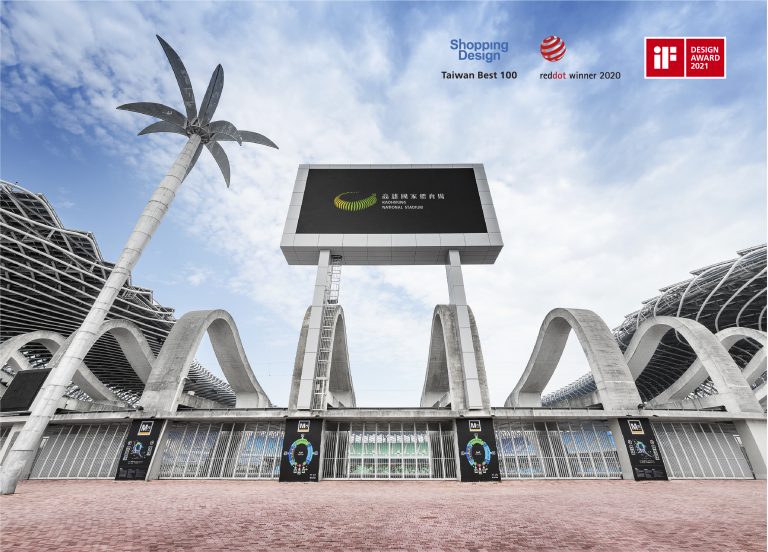 Kaohsiung National Stadium
Environmental identity and wayfinding system design | Red Dot and iF award winner
 Tainan Annei Film Studio
Brand identity design for the studio park
 National Cultural Park of Military Dependents’ Villages
Logo design for the Vision Hall
 Tainan Public Library mascot
Character design and merchandise applications
Which identity projects has Hand-Heart worked on for listed and large companies?
For listed companies the challenge is that existing assets cannot simply be scrapped and rebuilt from scratch. The brand is already recognised in the market, so rebranding has to balance preserving that recognition with renewing the image, while still working in international markets.
- Radiant Opto-Electronics
CIS rebuilt around light extending from the inside out
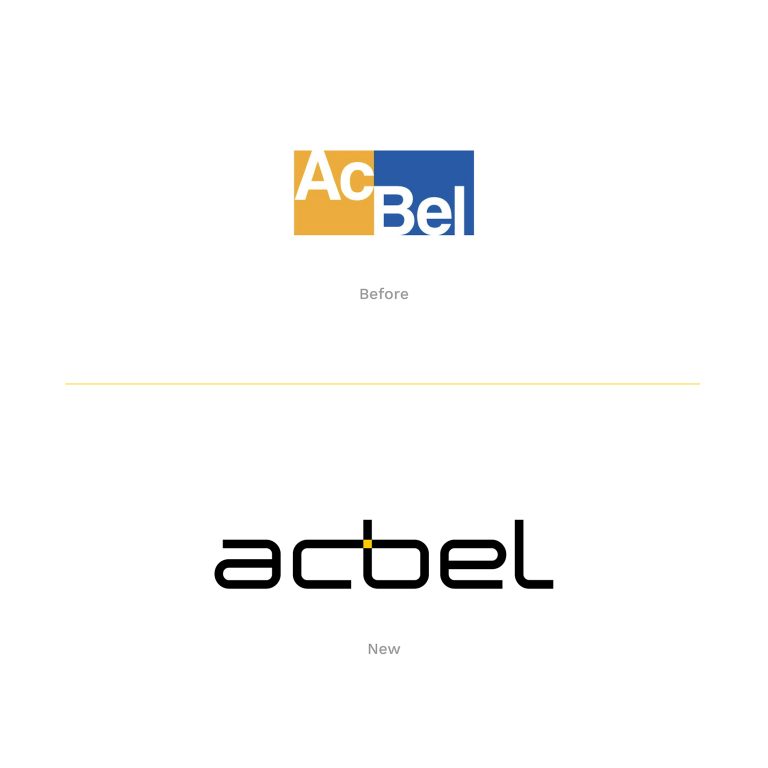 AcBel Polytech
International rebranding built on sustainability and innovation
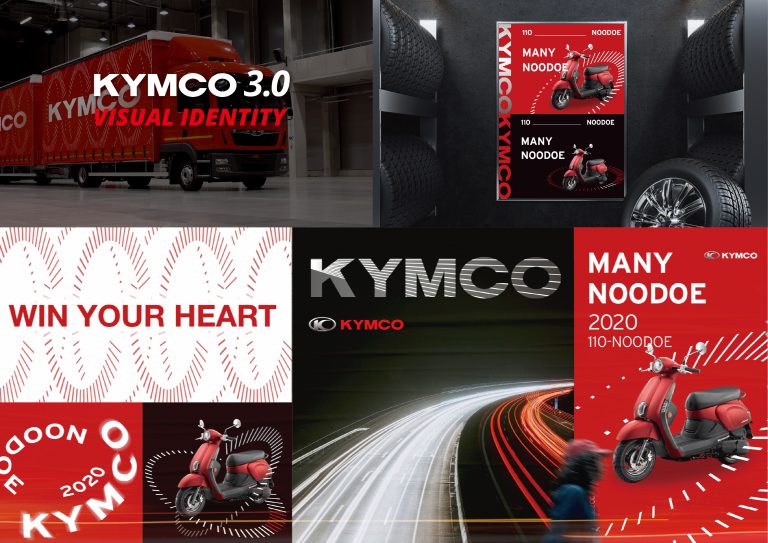 KYMCO
KYMCORebranding and a refreshed store image across Taiwan
 China Airlines
Logo design for the Sustainable Mark and Dynasty Miles Go
 Sinya Digital Group
Group brand identity system
 Rayfu × Chen Nan Iron Wire
Identity update for two brands in one group
 Ming Fu Group
Group brand identity system
 Formosa Copper
Brand logo design
Which chain and consumer brands has Hand-Heart rebranded?
 Wenhsiung Optical
Brand identity for a store chain
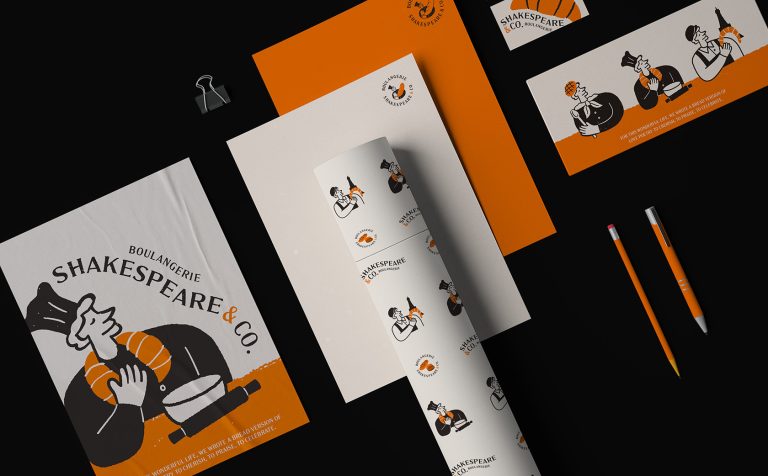 Shakespeare & Co.
Core values drawn from more than two hundred questionnaires
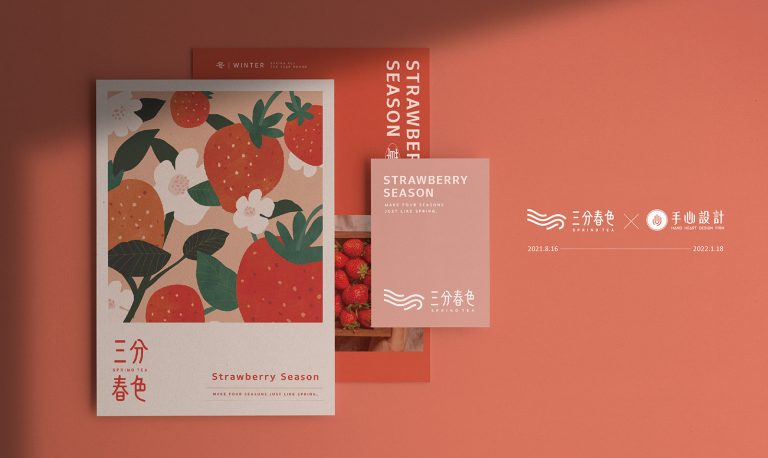 Sprino Tea
A modular store identity for a period of expansion
04-768x512.jpg) NTI Printing
NTI PrintingRebranding for the shift to a green printing concept plant
View all corporate identity projects →
If you only want a new logo, we suggest thinking one step further first
Before changing the logo, answer one question: what do you want customers to remember you for? Without an answer, the most common reaction three months after the new logo goes live is that it does not seem to have made any difference, and then people start to suspect the design was poor.
An even bigger problem is starting without internal agreement. It turns into an argument about taste, and the outcome is decided by job title rather than by strategy, which satisfies nobody.
So if, after we have talked, we judge that all you really need is a logo, we will tell you so honestly, and we may suggest putting the budget towards something that solves more of the problem. Saying this may cost us a few projects, but you would have to live with a poorly executed brand for years, and we would rather not see it in our portfolio either.
What do you get from a corporate identity project?
- Greater visibility for the company and the brand
- A clearer view of the market, with defined audiences and sales targets
- A clear difference from competitors
- A positive brand impression that lasts
- Core values that can be sustained over the long term
- A stronger sense of belonging and cohesion within the company
See the design in motion
This project film shows the design and motion work for Radiant Opto-Electronics, and can be watched alongside the design notes on this page.
Which organisations can use Hand-Heart’s identity projects as a reference?
Depending on the problem your identity needs to address, you can refer to the research and design approaches in the projects below.
- If your public-sector identity needs to respond to how the public perceives your organisation, you can look at the Control Yuan corporate identity concept proposal, which distilled the brand core of “truth” from research into the current situation. This was a concept proposal, not an officially adopted design.
- If you are designing a logo for a public fund, the Transitional Justice Fund brand identity mark shows one approach you can follow: an interlocking two-way graphic that reflects the principle of “raised from society, used for society”.
- If you need the public to understand cybersecurity test star ratings, you can refer to the cybersecurity label for the Telecom Technology Center, whose design moves away from the usual shield imagery and aims to be simple and intuitive.
Frequently asked questions
What is the difference between a CIS and logo design?
The logo is only one item within the visual identity (VI) part of a CIS. A CIS is the complete system of mind identity (MI), behaviour identity (BI) and visual identity (VI): it first defines what the company believes and how employees work, then decides how it looks from the outside. Changing only the logo without the first two layers usually means the new mark brings no real change.
How long does a corporate identity project take?
It depends on the scope. A project covering only the basic system of the visual identity is shorter; a project that includes brand research, internal and external surveys, strategy and the full development of application systems is usually measured in months. Hand-Heart sets out the deliverables and schedule for each stage when the requirements are confirmed, and does not add items partway through.
What should you prepare for a corporate identity project?
We suggest preparing four kinds of material. First, the brand’s origins, its history and a list of its products and services. Second, the existing visual assets (the current logo, colours, typefaces and branded materials). Third, your expectations for the brand’s future and the direction of the business. Fourth, a list of the main competitors. If the material is not yet organised, Hand-Heart can help sort it out during the research stage.
Which national-level identity projects has Hand-Heart Design Firm worked on?
Public-sector and national projects by Hand-Heart Design Firm include the brand consensus workshop for the National Central Library, the brand application design for the National Institute of Cyber Security, the CIS and mascot design for Tainan Public Library, the environmental identity and wayfinding system design for Kaohsiung National Stadium (winner of the German Red Dot Design Award and the iF Design Award), the brand identity for Tainan Annei Film Studio, and the logo design for the Vision Hall of the National Cultural Park of Military Dependents’ Villages.
Which listed companies has Hand-Heart Design Firm worked with?
Partners among listed and large companies include Radiant Opto-Electronics (brand identity update), AcBel Polytech (international rebranding), KYMCO (rebranding and store design), China Airlines (Sustainable Mark and Dynasty Miles Go logos), Sinya Digital Group, Chen Nan Iron Wire and Rayfu, Ming Fu Group and Formosa Copper.
What is the basis for the identity design method?
Hand-Heart’s brand strategy research process is protected by Republic of China (Taiwan) invention patent No. 934355, AI-Assisted Brand Strategy Insight System, effective from 1 August 2026. Brand positioning therefore rests on a method that can be repeated and verified, rather than on individual inspiration or subjective judgement alone.
Considering a corporate identity project?
Tell us where the brand stands today, the problems you are facing and the schedule you have in mind. Hand-Heart will give you an honest assessment of whether you need a full CIS or should start with a partial update. The first conversation is free, and there is no obligation to go ahead.
Book a free identity consultationOr call +886-7-285-7000 | [email protected]
What is rebranding? A complete guide to timing, process and Taiwanese cases
CI/CIS procurement and acceptance guide: six stages, eighteen checkpoints
What is brand architecture? Five models explained
Visual Design: advertising, print and layout
Or leave your enquiry here
A short description of where the brand stands, the problem you want solved and when you would like it finished is enough. We will reply within two working days.