
Brand design takes what a company wants to be remembered for and makes it easier to understand and easier to remember. It narrows the gap between the way you, we and everyone else read your brand, and it sets you apart from your competitors by enough to matter.
A brand is who we are in other people’s words. Brand design uses design to make the picture in their minds more concrete, and to make them think more highly of it. Four things sit inside that work: who our audience is (brand positioning), why we matter to them (brand core values), how we choose to differ from our competitors (identity design), and how to make those differences mean something to that audience (brand strategy).
Many people assume brand design means making a logo. A logo is indeed an important symbol within brand design, and the clearest one; it is part of the brand. But a good logo on its own does not mean people will trust that brand or identify with it.
The sentence “we want to do brand design” usually means one of three different things. Their prices differ tenfold and their schedules by half a year. Work out which one you mean, then read on.
| Your need | Where to start |
|---|---|
| You need strategy | The company knows what it does, but cannot say clearly why anyone should choose it. Different departments describe the brand differently, and every sales deck is built on its own. What is needed here is brand positioning and core values: get to one sentence first, identity comes later. Around one to two months. |
| You need an identity | The positioning is clear, but the outside has not kept up: the logo has been in use for over a decade, every store looks different, decks and business cards follow no rules. This is a corporate identity system (CIS), covering the mark, the logotype, colour, an application system and a guidelines manual, over three months to a year. See corporate identity system (CIS). |
| You need one piece updated | The identity still works, only one piece has dated: the website, the packaging, a catalogue, the key visual for one event. There is no need to redo the whole set here. Do that one piece well and extend the rules you already have. See visual design or packaging design. |
If the company is already changing direction, moving into a new market or preparing to go public, what it needs may be rebranding; that page opens with three questions to help you judge. If you cannot tell which one applies, send us your request and on the first call we will work out together which layer is the least costly place for you to start.
Logo, brand, brand design: what is the difference?
These three words get used interchangeably, but they sit at three different levels. Take a breakfast shop you might walk past.
The logo is that shape on the sign. It is a mark, and its job is to let someone pick out this shop among many. Designing a logo is usually a one-off piece of work: it turns one point of the brand into a symbol. When conversations with the owner go smoothly, a logo with good looks, an idea and a character of its own can be ready in about a month.
The brand is the whole impression the shop leaves in a customer’s mind. The owner remembers that I take mine without chilli. Their egg crepe has a crisper skin. The place is clean. The staff wear the same tidy uniform, which is reassuring. Added up, that is the brand. Take the logo away and the brand is still there; let the service slip and no amount of good looks in the logo will win people’s trust.
For Hand-Heart, brand design turns on two things: being recognised and being remembered. It is also the whole body of work that builds that impression correctly. From deciding what people should remember, to making the difference from competitors clear on the sign, the menu, the takeaway bag, the uniform and the social post, all of it is about getting the brand to say the same thing.
| Logo design | Brand design | Brand | |
|---|---|---|---|
| What it is | A mark that can be recognised | The whole body of work that builds that impression correctly | The overall impression you leave in a customer’s mind |
| How long | About a month when talks go smoothly | 3 months to 1 year | Builds up continuously, never finished |
| Who decides | The owner and the design team | The owner, the design team and front-line staff | The customer |
A brand is the sum of how stakeholders feel and what they experience across many dimensions. The design work builds the brand assets: logo, colour, type, layout, supporting graphics, an icon system, templates and layout rules. The logo is one point within brand design; brand design is the whole structure built across several dimensions. So when someone says “brand design is just making a logo”, the key questions go missing: what problem is the brand design there to solve? What goal should it reach? What benefit should it produce?
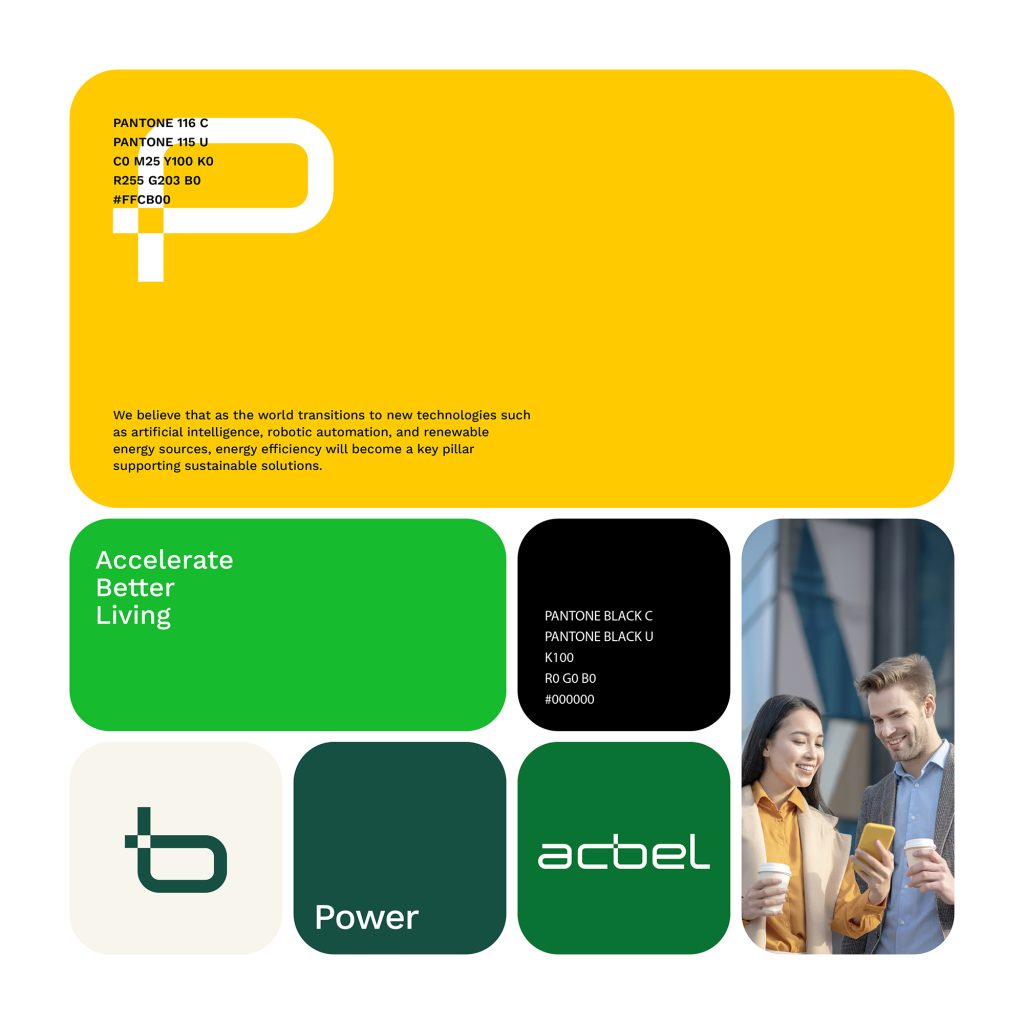
Colour plan: the brand colours of AcBel Polytech against PANTONE references
08-1024x683.jpg)
Supporting graphics and icon system: NTI Printing
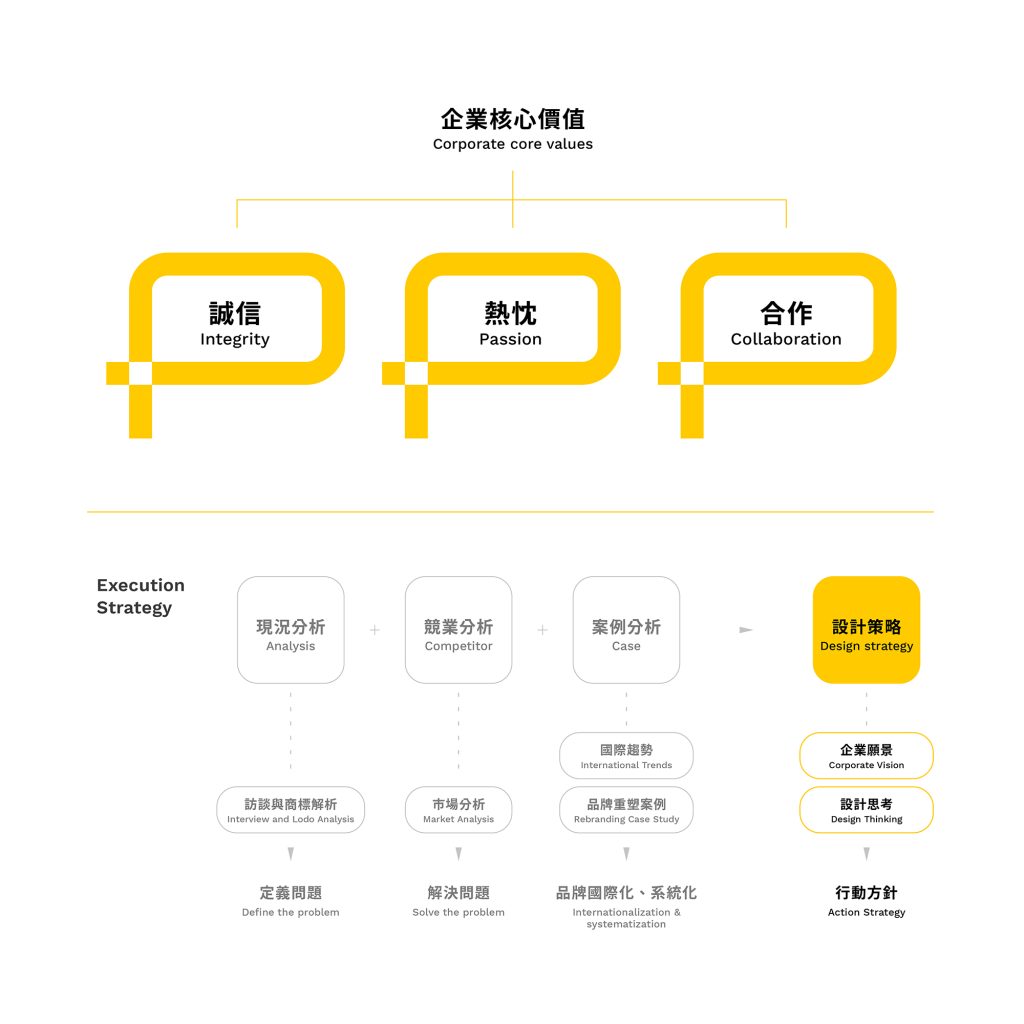
What work does brand design cover?
These four things fall into three layers. The first two are positioning: they decide who the brand should be remembered by, and for what. The third is identity, which makes that decision recognisable. The fourth, brand strategy, carries those differences into applications and guidelines, so that the business card, the sign, the packaging and the website all say the same thing. The three layers do not have to be done all at once, but it is best not to reverse the order.
-
Brand positioning: who our audience is
This step involves no art at all. It is all asking questions and finding answers. What do you sell, and what is the customer really buying? Between you and the shop next door, why do they choose you? In five years, how would you like someone else to introduce your company?
The questions sound abstract, but skip them and every design that follows loses focus, because nobody knows what to design towards. We usually spend one or two meetings here, and sometimes ask the owner, the sales team and front-line staff to answer separately, because their answers to “who are we?” often differ. That difference is itself the most valuable clue.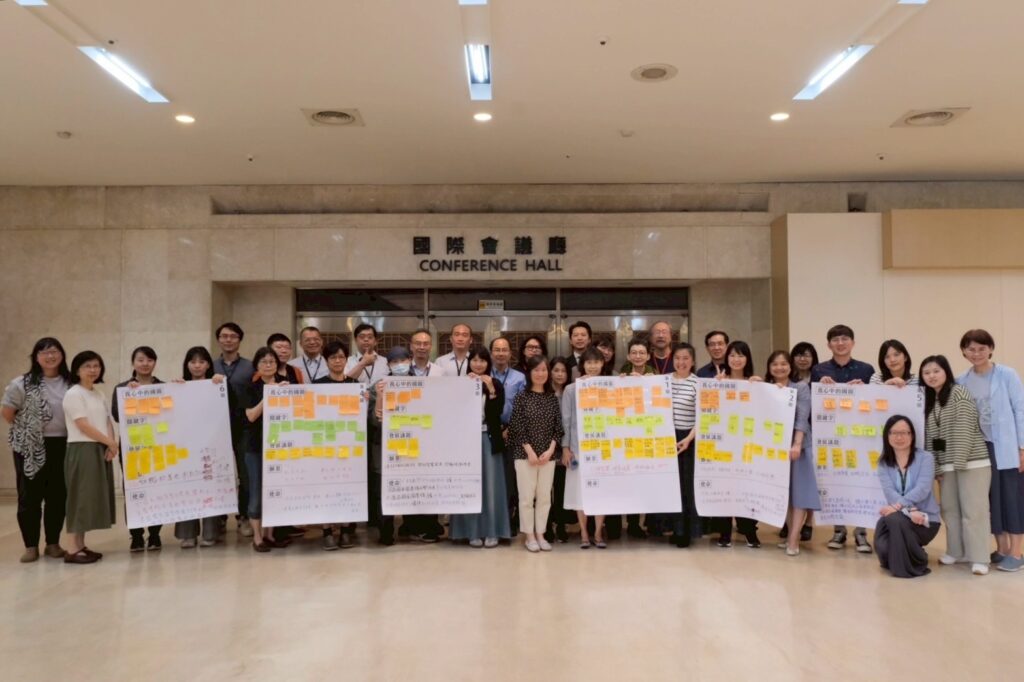
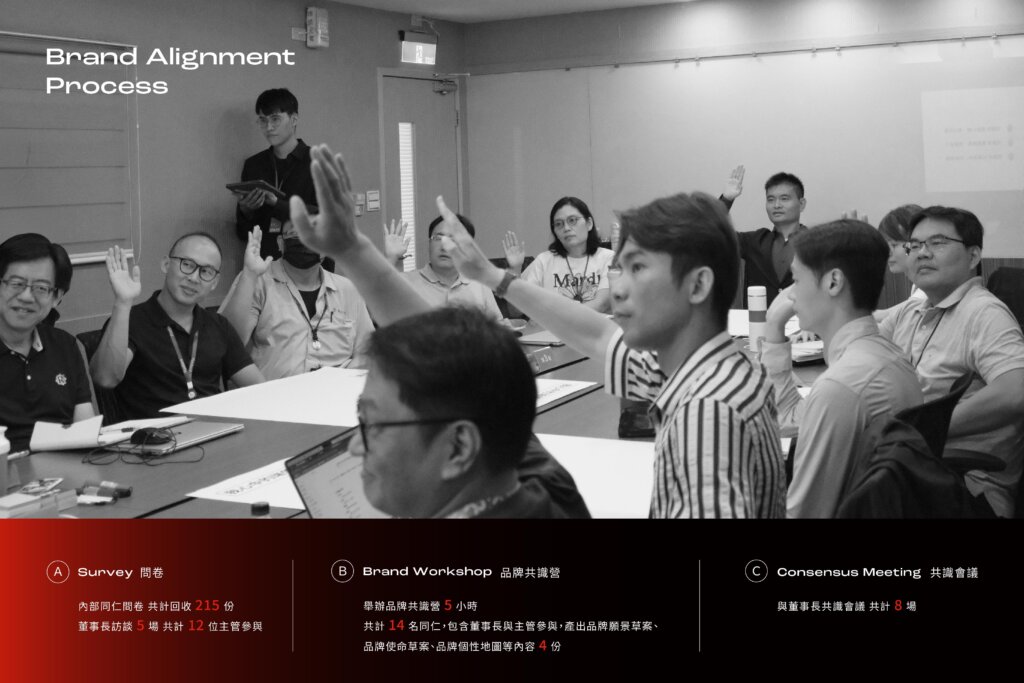
The brand positioning step involves no art at all. At the National Central Library brand consensus workshop we asked staff from different units to speak separately. See this project: National Central Library brand consensus workshop, with the national identity update to follow -
Brand core values: why we matter to them
Once we know who the audience is, the next question to answer is why us. This stage sets side by side your strengths, what your customers actually care about and the ground your competitors have already taken, and finds a position that is both true and not yet claimed.
“True” matters here. Core values cannot be a slogan you shout. They have to be something you can do, and do better than others, or front-line staff will not be able to say them out loud and customers will not feel them.
Core values have to be something front-line staff can say. The brand line of KYMCO. See this project: Identity design | KYMCO rebranding and store design -
Identity design: how we choose to differ from competitors
This is the part everyone thinks of as design: logo, logotype, colour plan, supporting graphics, icon system, templates and layout rules. If your company is newly formed, launching a new product line, or carrying a name that is hard to say, hard to remember and hard to search for, this stage also covers brand naming and trademark searches.
But it is not only about looking good. The real work is making the set hold up at every size, on every material and in every setting. Is the logo still legible shrunk down to a business card? Does it blur when printed on corrugated board? On a lightbox sign, does that colour still look the same at night?
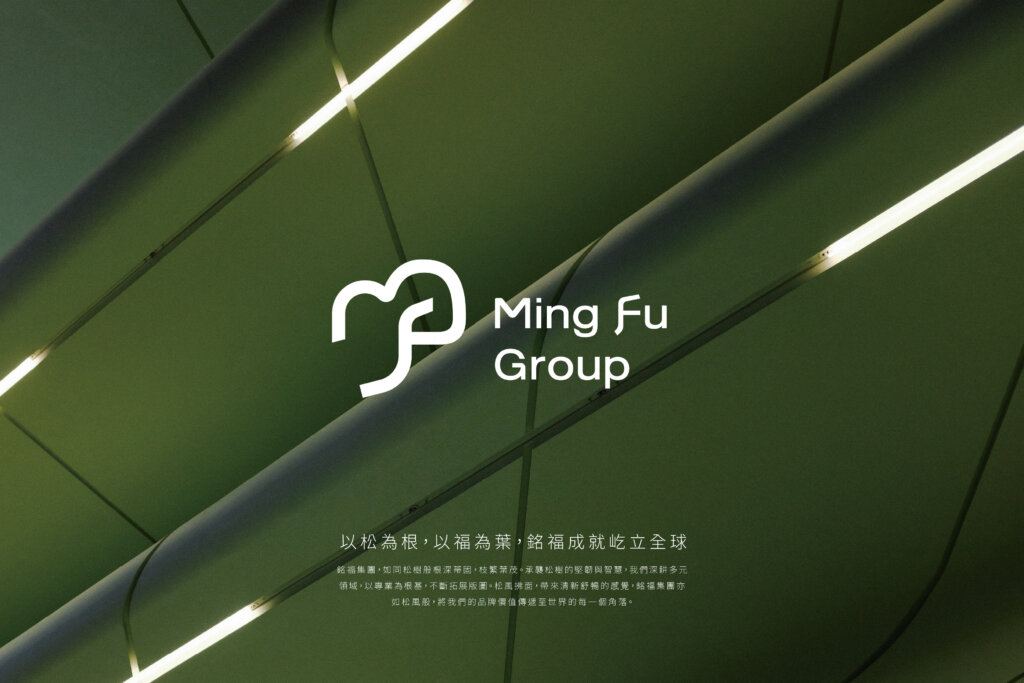
Identity design is not only about looking good. The Ming Fu Group mark is built from the initials MF, a pine tree and the idea of growing strong. Every stroke has a reason. See this project: Identity design | Ming Fu Group CIS Design -
Brand strategy: making those differences mean something to the audience
A finished design does not put itself into use. This stage is about how customers actually come to experience it: turning the identity into things that can be used straight away, such as business cards, envelopes, deck templates, packaging, signage, vehicle graphics, uniforms and social templates, and writing it all into a manual, so that a colleague taking over three years from now, or the printer you work with, knows which set of colours to use and how much clear space to leave around the logo.
The manual is often skipped, and yet it decides how long the identity lasts. Without it each department reads the rules its own way, and within a year the whole thing usually starts to drift out of tune.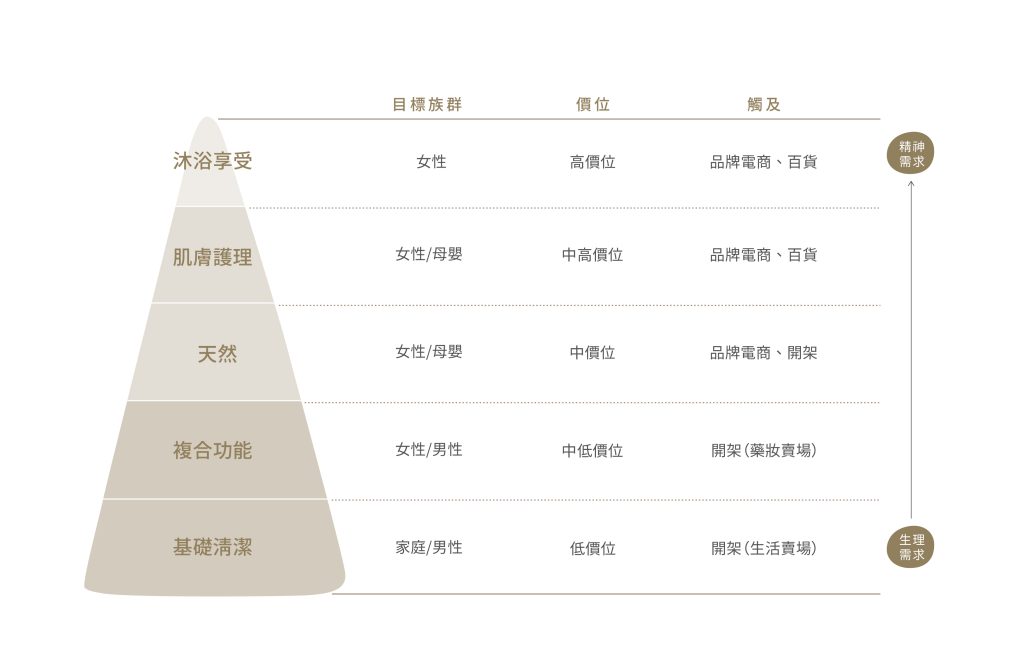
Brand strategy answers who you sell to and which tier of the market you occupy. In the Cao Yan Suo rebranding we divided the market into five tiers, from basic cleaning to bathing as pleasure, then decided which tier to target, at what price, and through which channels to be seen. See this project: Identity design | Cao Yan Suo brand strategy and rebranding
For an example of all three layers working together, look at the PORClean brand renewal. In positioning, the brand stepped away from the “functional” angle common to water flossers and talked instead about the experience of using the product and the lifestyle it reflects. In identity, the brand colours were built from blue and greys of different lightness and saturation, with designated Chinese and English typefaces. In applications, simple lines ran through the 6X product line to convey “so slim, it goes everywhere”.
One way of thinking behind all four
Philosophy, science and aesthetics, matched to character, quality and taste
Hand-Heart holds that good design stands where philosophy, science and aesthetics meet, and that these correspond to character, quality and taste. The four stages above are not a workflow chart. They are these three ideas put into practice, one after another.
-
Philosophy → character
Positioning and core values answer who we mean to become and to whom we answer. Because this layer comes first, further down this page we list the cases in which we would suggest you think it over first: done at the wrong moment, the work will not last.
-
Science → quality
A position cannot be guessed. In the Cao Yan Suo rebranding we divided the market into five tiers, from basic cleaning to bathing as pleasure, compared audience, price point and channel tier by tier, and then decided which tier to target.
-
Aesthetics → taste
Every stroke of an identity needs a reason. The Ming Fu Group mark is built from the initials MF, a pine tree and the image of growing strong. Looking good is the result, not the starting point.
Only when the three come together do the work and its results turn out well. The full account is on About Hand-Heart.
How does brand design differ from a corporate identity system (CIS)?
This is the question we are asked most often, and the one most often muddled.
A corporate identity system (CIS) is one part of brand design. CIS stands for corporate identity system, and it covers three layers: mind identity (MI), what the company believes; behaviour identity (BI), how the company does things; and visual identity (VI), what the company looks like.
Brand design covers more ground. Beyond CIS it also handles brand positioning, naming, market segmentation and even the architecture of the product line.
In one sentence: brand design asks who we mean to become; a corporate identity system (CIS) answers how that gets seen and carried out.
In practice the two are often done together. If your company already knows clearly who it is and only the image needs updating, what you need may be corporate identity system (CIS) design. If even the question of who we should be selling to is unsettled, start from brand design. If you are not sure which case is yours, just ask us. The first consultation is free, with nothing to pay and nothing to decide up front.
When is the right time for brand design?
A new company, or a new product line
Starting from nothing is actually the simplest case. There is no baggage, so positioning, core values, identity and the application system can all be thought through in one go.
The company has changed direction and no longer sells what it started with
Many long-standing companies run into this: the name still says hardware store, but eighty per cent of revenue now comes from industrial automation. The image has come loose from the business, and partners will misjudge what you can do. This case usually follows the rebranding route.
Taking on larger projects, or entering a new market
When you move from being a local business towards a stock market listing or exporting, the other side judges from your image whether you look like a company worth working with. Upgrading your image at that point is not vanity. It is the ticket in.
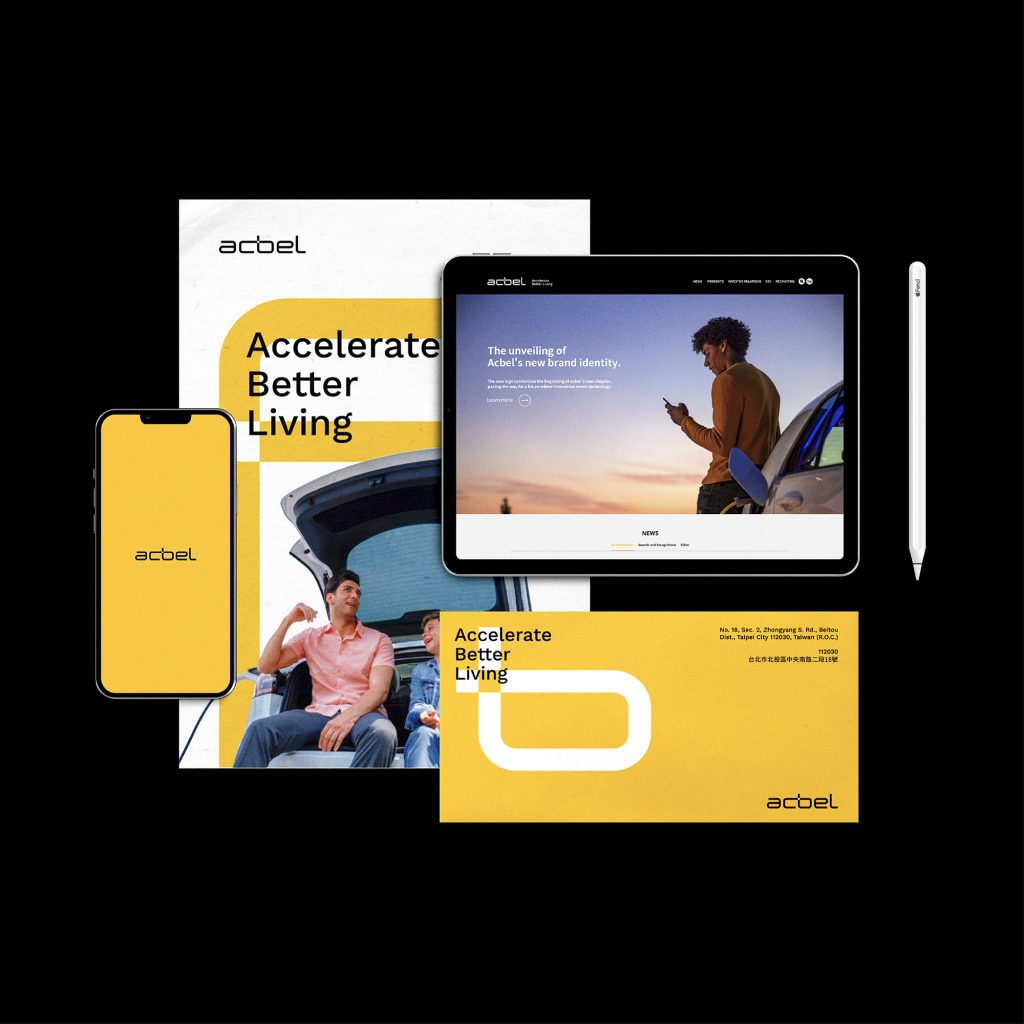
AcBel Polytech: brand applications after the international rebranding
04-1024x683.jpg)
NTI Printing: brand identity in the company premises
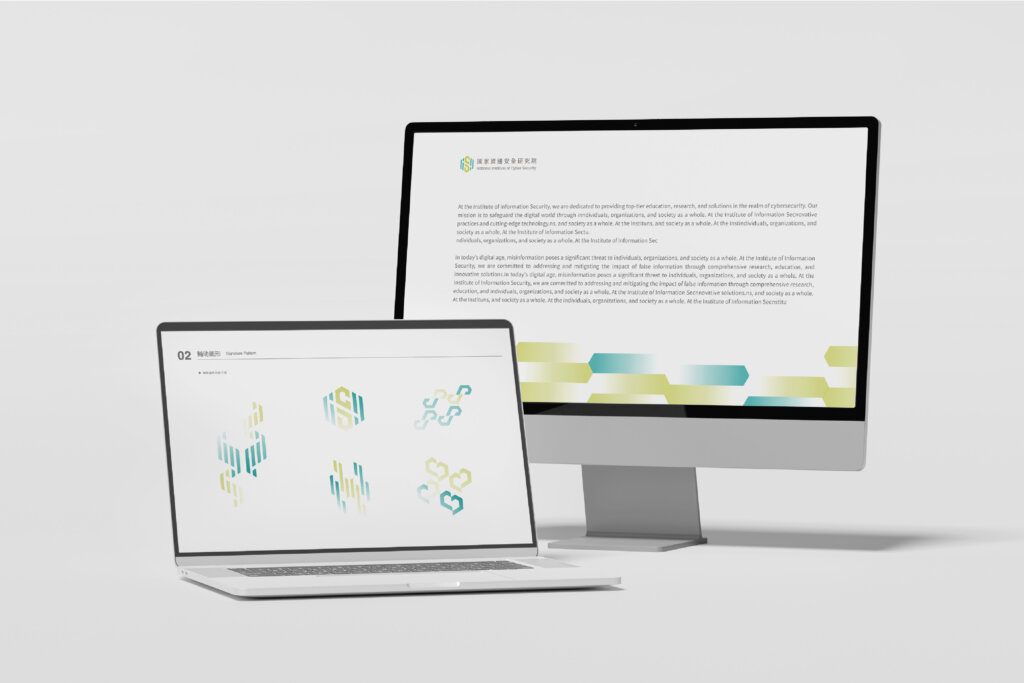
National Institute of Cyber Security: brand applications on the website and in presentations
Opening stores fast, and every one looks different
Three stores with three kinds of sign and menus printed separately: customers will read them as three different brands.


In these cases we would suggest thinking it over first
The product or service is not yet consistent: consider getting what you sell right first. An image can bring people to the door, but if the experience is poor they will not come a second time.
You have simply grown tired of the current logo: if people recognise it and there is no problem telling it apart, it may be worth watching a while longer. Replacing it would throw away the recognition already built up.
The budget currently covers only half: phasing the work is worth weighing up. An identity made without the budget for an application system and guidelines cannot be properly rolled out afterwards. Colleagues will not know how to apply it to social posts, the website, packaging, products, decks or exhibitions, and within a year the identity usually drifts. Everyone sings a different tune, the whole falls out of key, and the identity work ends up wasted. Splitting the work into two phases actually lets each part be done in full.
Saying this does us no good, but we would rather you came to us at the right time. Making sure every part of your budget works as hard as possible matters to us as much as it does to you.
The brand design process and schedule
The five stages below show Hand-Heart’s typical timings. They are adjusted to the scope of each project:
-
Interviews and research 2–3 weeks
Interviews with the owner and key colleagues; a look at the market and the competition.
-
Brand positioning and core values 2–3 weeks
Settling who we are speaking to, and why us.
-
Identity design 6–12 weeks
Logo, logotype, colour, supporting graphics; naming and trademark searches when needed.
-
Application system 4–8 weeks
Office stationery, packaging, signage, digital templates.
-
Guidelines and handover 2–3 weeks
The brand guidelines manual, file organisation, a walkthrough for rollout.
All in, about 3 months to 1 year.
Why such a wide range? Because part of the total is not in our hands. A project that runs smoothly can overlap its stages and finish in about 3 to 4 months. The ones that stretch usually do so for these reasons: more than one decision maker, so opinions take time to bring together; a trademark search and registration is needed, and the timing of that step is set by the Intellectual Property Office; or there are a great many applications, as with a retail chain or the full range of items in manufacturing.
In the first week after the contract is signed we provide a clear schedule: how many meetings there will be, the project flow and the dates, all set out plainly. If something slips on our side along the way, we say so early and of our own accord, rather than leaving you waiting.
What to prepare before the brand extends to a website
The website is one of the most visible applications of a brand identity. Once the identity is set, the website carries over the same colours, typefaces, image language and tone of voice. What to think through before you put a website out to tender (content, structure, features, layout and style), along with the six stages of website design and the deliverables at each step, is set out on our website design page (in Chinese).
How is the cost of brand design estimated?
There is no set price for brand design, because the scope each company needs varies widely. These are the main things that move a quote:
- Whether strategic research is included (doing the identity alone and starting from positioning are very different workloads)
- How many levels of the organisation need to be consulted
- Whether naming and a trademark search are needed
- How wide the applications reach and how many items there are (ten items and a hundred are entirely different undertakings)
- Whether interiors or stores are part of the rollout
- Whether training and internal brand communication are needed
The way we work: talk the requirement through first, then give an itemised quote. We do not hand you a vague range to guess at. The first consultation is free, and if it turns out not to be a fit, that is fine.
Three common scopes of work
There is no set price, but we can work out the scope first. Most projects land in one of the three below. Once you know which layer you are on, the quote and the schedule will not be far off:
| A Brand check-up and partial update | B Identity system and basic guidelines | C Rebranding plus applications and rollout | |
|---|---|---|---|
| When it fits | The identity still works but one piece has dated, or you want to check first whether to act at all | Positioning is clear, but the visual identity has not kept up and things look different everywhere | Changing direction, changing market, a merger, a listing, or many locations to be brought into line at once |
| Main deliverables | A brand check-up report, a partial update (a small adjustment to the mark, a single application) | The mark, logotype, colour, supporting graphics, basic applications and a guidelines manual | Research and positioning, a full identity and application system, guidelines, rollout to interiors or stores, training |
| What you put in | One decision maker, one meeting | The decision maker joins to confirm direction, plus one point of contact | The leadership takes part throughout, a cross-department contact, consensus meetings |
| Indicative duration | 2–4 weeks | 2–4 months | 6 months to 1 year |
| Usually charged separately | — | Naming and trademark search, printing | Naming and trademark search, interior construction, printing and production, an annual maintenance retainer |
Starting at A and moving up is a common route, and the safest one when the budget is limited.
Which brand design projects has Hand-Heart done?
From a one-person studio to a listed company, the logic of brand design is the same. Only the scale differs.
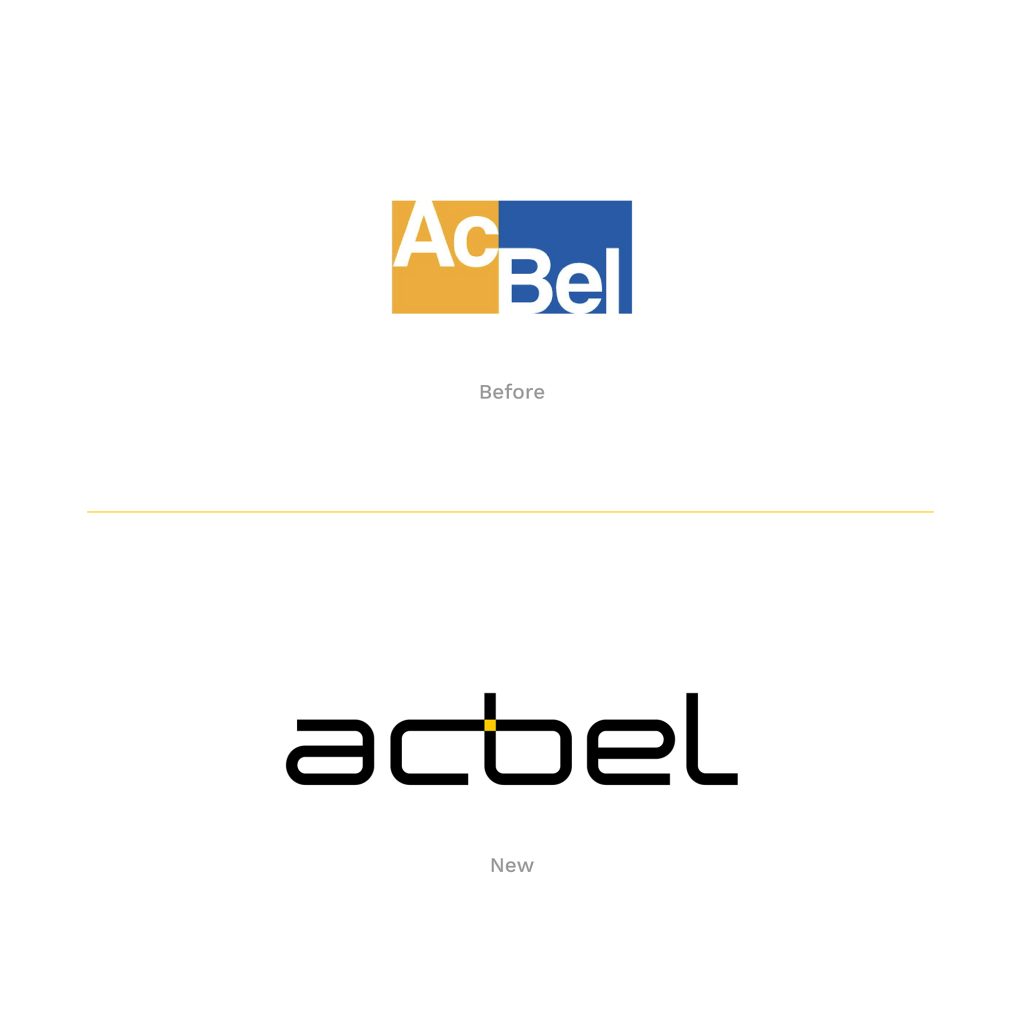 AcBel Polytech
International rebranding
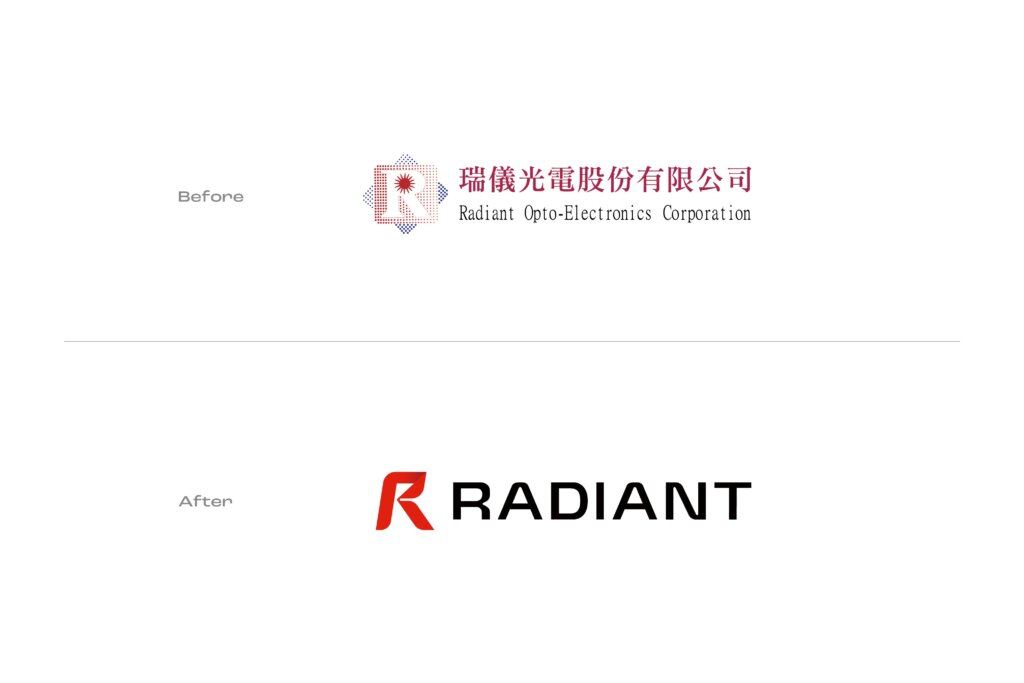 Radiant Opto-Electronics
Identity update
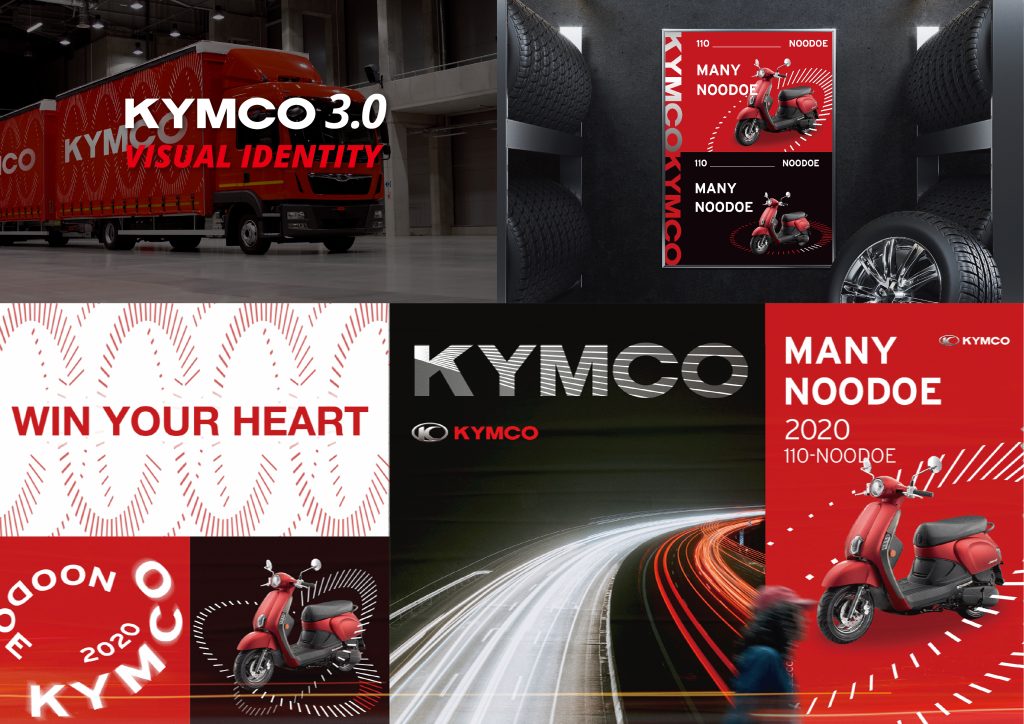 KYMCO
KYMCO
Rebranding and store design
- Ming Fu Group
Corporate identity system
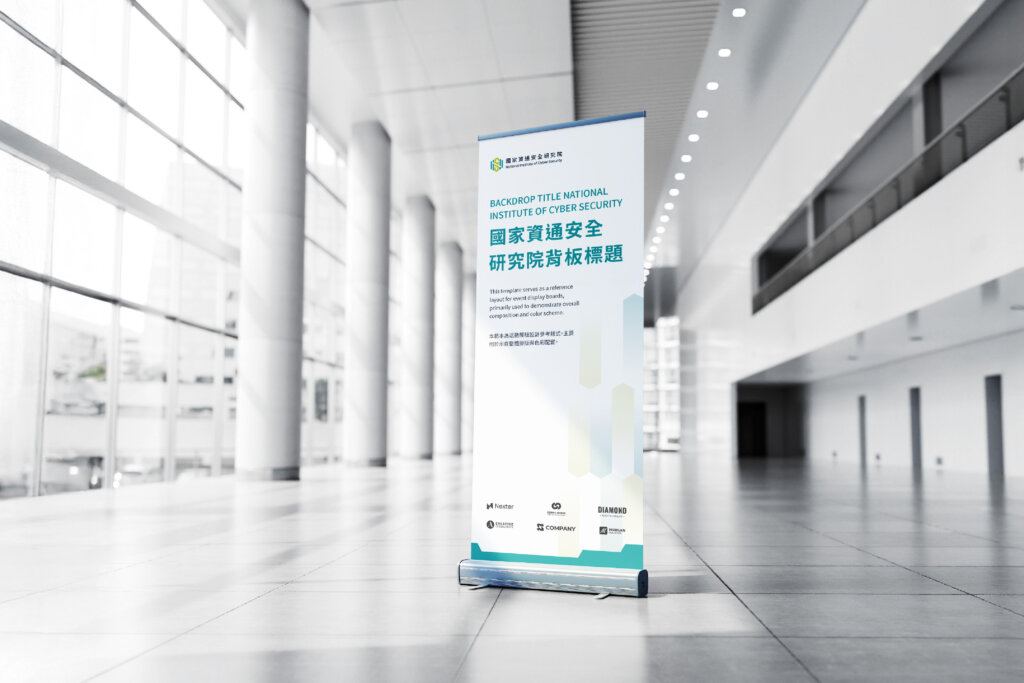 National Institute of Cyber Security
Brand application design
- National Central Library
Brand consensus workshop
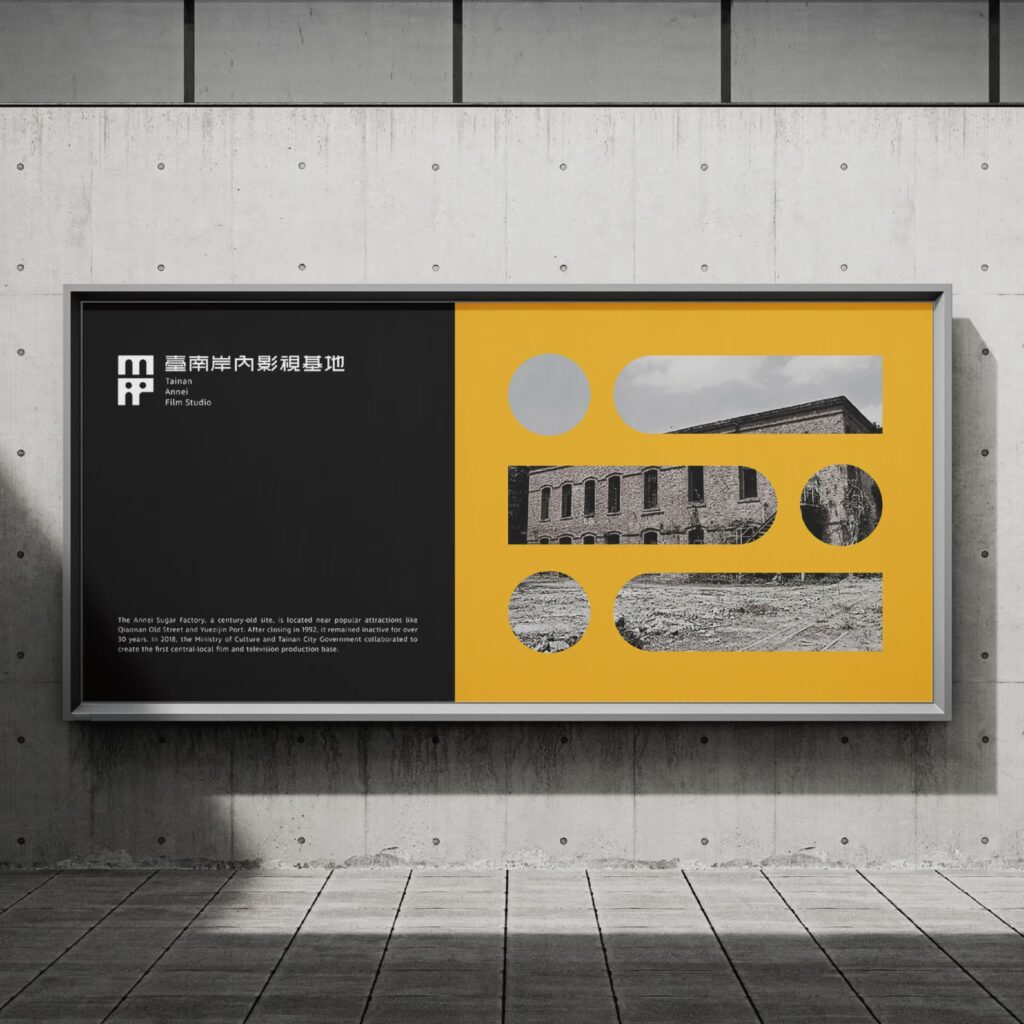 Tainan Annei Film Studio
Brand identity
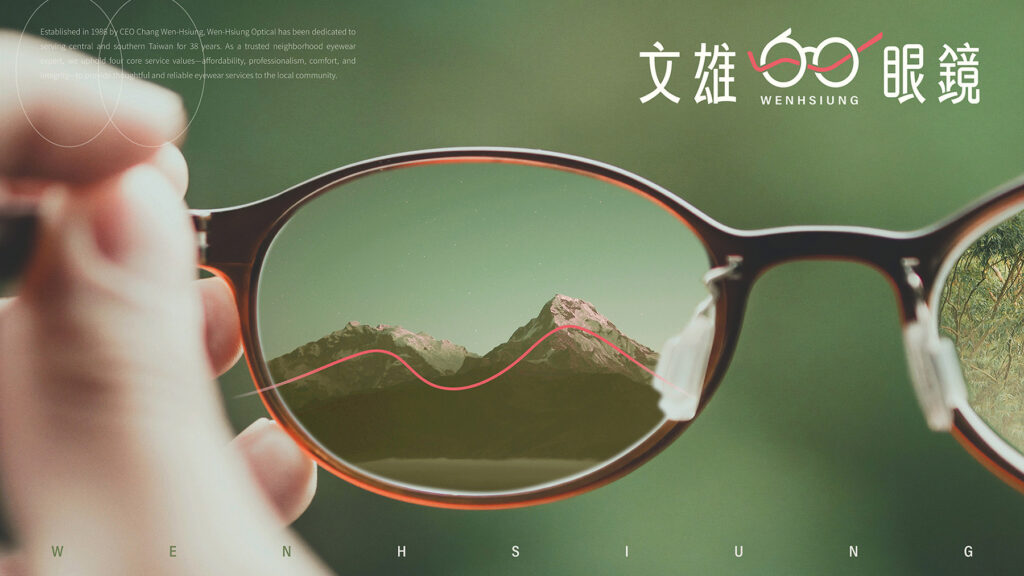 Wenhsiung Optical
Brand identity
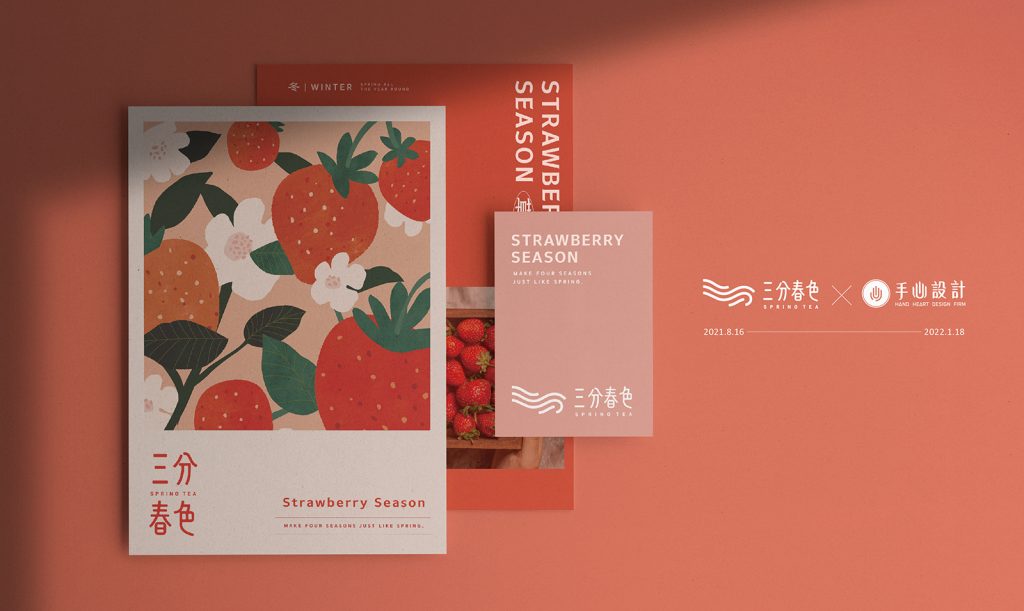 Sprino Tea
Rebranding and store design
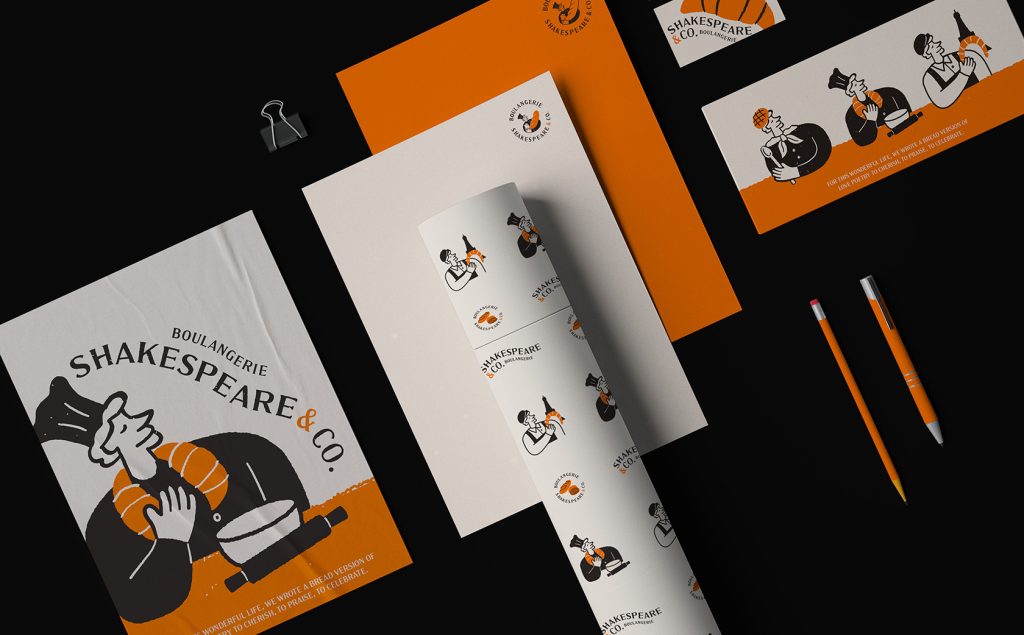 Shakespeare & Co. Bakery
Identity rebranding
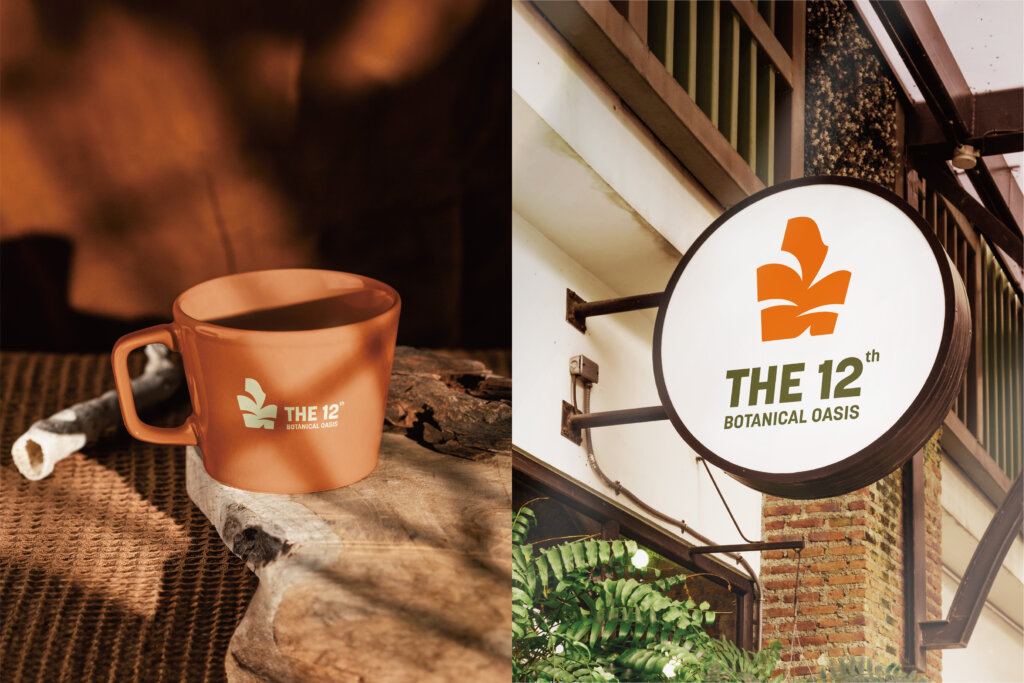 12th Oasis
Brand identity
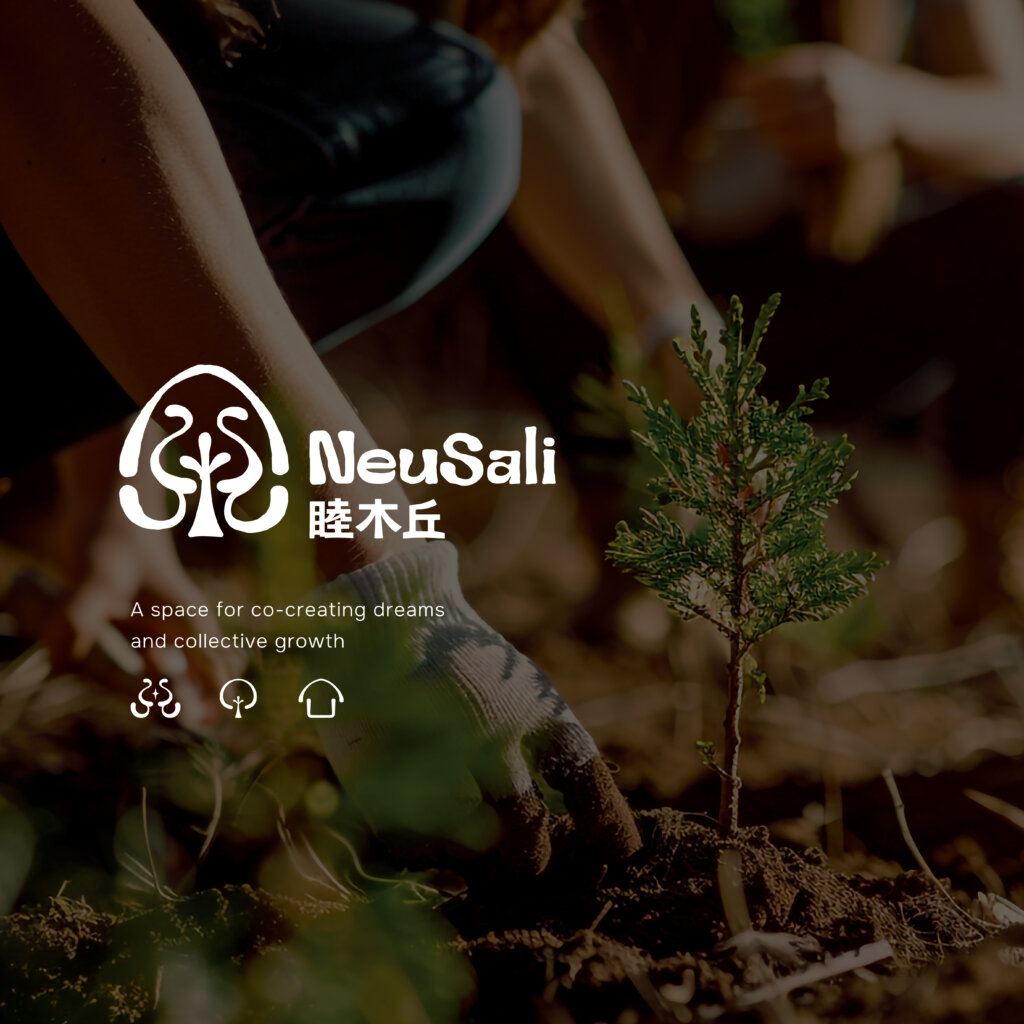 NeuSali
Brand identity
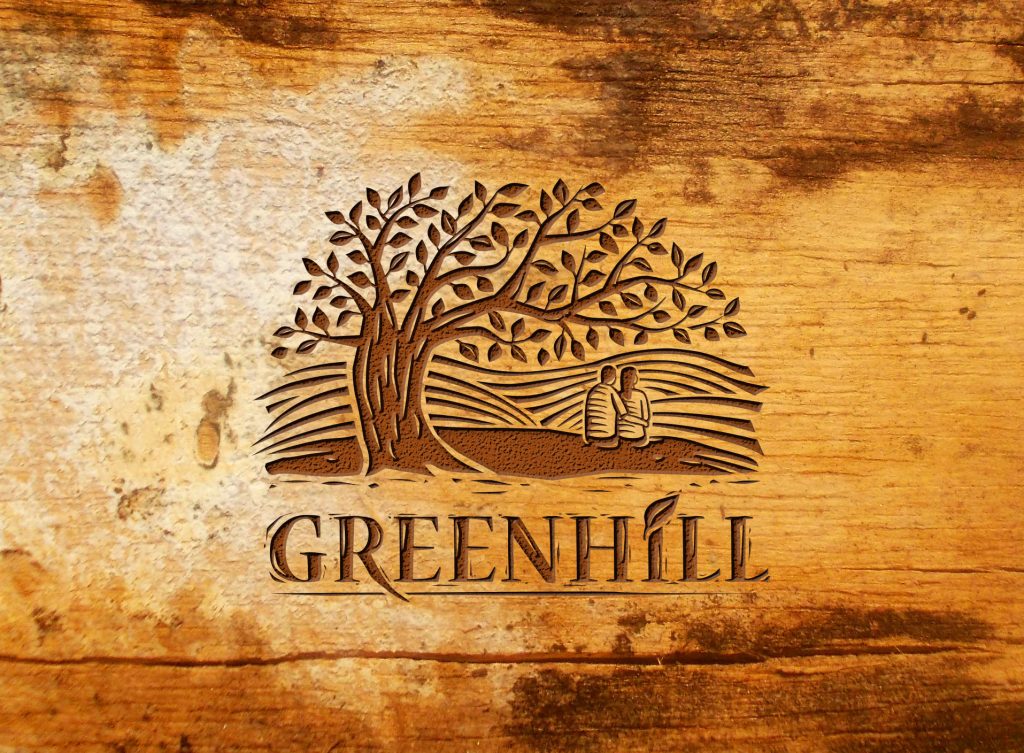 Green Hill guesthouse
Logo design
 Bliss Dental Care
Clinic CIS design
See the design in motion
This film shows the design of the NTI Printing project in motion; watch it alongside the design notes on this page.
Brand design: common questions
Will business improve once the brand design is done?
Not necessarily, and we will not promise it. What brand design can do is this: help the right customers find you, remember you and be willing to trust you. The product itself, the quality of service and the pricing are not things we can help with.
Can I have just a logo?
Yes. But we will first ask how you plan to use it. If you only need a mark for a business card, a logo is enough. If you want it to carry the whole brand, then colour and application guidelines have to come with it, or before long things will fall out of order.
What do I need to prepare before we start?
Nothing in particular. Bring your current business card, a product, or any photo of the shopfront taken on your phone, and we can talk. We ask the questions; you only have to answer them honestly.
Can I see a quote before deciding?
Yes. The first consultation and the initial discussion of requirements are free. Once we understand the scope we give an itemised quote, and then you decide.
Where is Hand-Heart? Can you come to our office?
The office is at 9F, No. 136, Zhongzheng 4th Rd., Qianjin Dist., Kaohsiung. We have travelled all over Taiwan and are happy to visit you.
Would you like to talk about your brand?
If you are not sure whether you need a logo, a corporate identity system (CIS) or full brand design, talk to us first. The first consultation is free, and if it turns out not to be a fit, that is fine.
A next step for your project
CI/CIS Procurement and Acceptance Guide: Six Stages, Eighteen Checkpoints